Monkey Smile Font for Editorial Design and Creative Projects
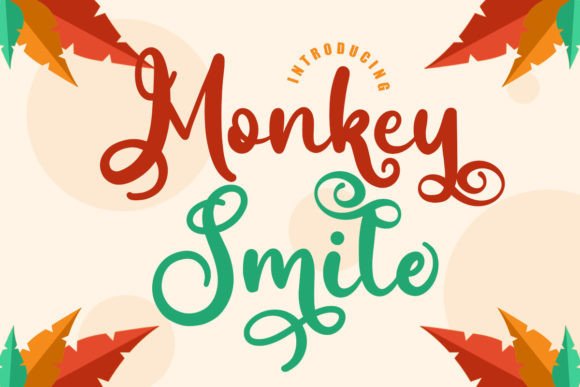
When it comes to choosing a font that adds warmth, character, and charm to your publications, Monkey Smile stands out as a standout script handwritten font designed with editorial creators in mind. This carefully crafted typeface brings a human touch to digital and print content alike, making it ideal for anyone who wants their designs to feel personal yet professional. Whether you're working on a blog layout, a magazine cover, or a printable guide, Monkey Smile can elevate the visual tone of your work while maintaining readability.
Monkey Smile for Magazine Covers and Ebook Titles
Magazine covers and ebook titles demand fonts that capture attention without overwhelming the reader. Monkey Smile, as a script handwritten font, achieves this balance beautifully. Its friendly curves and neatly crafted details lend an inviting and approachable vibe, perfect for lifestyle, travel, or wellness publications. Pairing Monkey Smile with a clean sans serif font like Lato or Roboto ensures legibility for body text while keeping the title expressive and engaging.
For digital products such as recipe e-books or mindfulness guides, using Monkey Smile for chapter openers or section headings can create a sense of intimacy. Readers are more likely to connect with content when typography feels handcrafted and sincere. The font's personality is subtle enough to avoid distraction but expressive enough to enhance brand identity and mood.
Using Monkey Smile in Blog Headers and Newsletter Graphics
Blog headers and newsletter graphics often serve as the first impression of your publication. Monkey Smile is a creative font that helps set the right tone from the start. Its script style adds elegance to headlines, especially in niches like fashion, food, or personal development. Because it’s a handwritten font, it conveys authenticity and creativity—qualities that resonate with modern audiences.
In newsletters, Monkey Smile works well for pull quotes and featured article headers. When combined with a structured serif font for the body copy, it creates a clear visual hierarchy. For instance, if you're writing a weekly wellness update or a productivity tip round-up, using Monkey Smile for bolded key points or quote graphics can help readers quickly identify what's important. Just be sure to test its readability at smaller sizes if used for subtitles or captions, especially on mobile screens.
Monkey Smile for Lead Magnets and Printable Workbooks
Lead magnets and printable workbooks are all about instant appeal and trustworthiness. As a script handwritten font, Monkey Smile can make your downloadables feel more personalized and less automated. Think of using it for the title of a free planner PDF, a guided journal template, or a coaching worksheet. It gives these assets a warm, approachable look that encourages downloads and shares.
Because Monkey Smile is highly detailed, it also supports the use of ligatures and alternates—ideal for crafting unique page numbers, headers, or decorative elements in your layouts. These small touches add polish and professionalism to your design, even in casual formats like worksheets or checklists.
Monkey Smile in Content Branding and Publication Identity
Content branding relies heavily on typography to establish a consistent visual identity across platforms. Monkey Smile is more than just a premium font—it's a tool for building recognition and emotional connection. Use it consistently for cover text, social media posts, and even email subject lines to reinforce your brand voice. Its versatility allows it to adapt to both digital and print formats, ensuring your message remains cohesive no matter where it appears.
If you're designing a digital magazine or a course companion guide, consider integrating Monkey Smile into your logo or header design. It pairs well with minimalist layouts and can become a signature element of your publication's identity. However, always evaluate how it functions across different backgrounds and color schemes to maintain clarity and contrast.
Monkey Smile for Wedding Guides and Event Publications
Wedding guides, event planners, and celebration-themed publications thrive on fonts that evoke joy and elegance. Monkey Smile fits the bill perfectly as a script handwritten font with a playful yet refined aesthetic. It’s excellent for creating quote graphics, invitations, or chapter titles in a digital wedding planning resource.
The font’s friendly nature makes it suitable for client-facing materials too. If you’re offering paid printables or templates for wedding planners, using Monkey Smile can give your products a hand-crafted, boutique feel. Make sure to review the commercial licensing terms to ensure it aligns with your intended usage, especially for resale or distribution through marketplaces like Etsy or Gumroad.
Font Pairing Strategies with Monkey Smile
Effective editorial design hinges on smart font pairing. Since Monkey Smile is a display font, it shines best when used sparingly. To maintain readability, pair it with a strong serif or sans serif font for body copy. For example, combining Monkey Smile with Merriweather or Open Sans offers a balanced layout that feels both stylish and easy to read.
- Blog Layout: Monkey Smile for headers, Open Sans for body text.
- Newsletter Design: Monkey Smile for pull quotes, Georgia for main content.
- Printable Planner: Monkey Smile for month/year headers, Montserrat for task lists.
These pairings allow Monkey Smile to act as an accent font, drawing attention to key sections without sacrificing the usability of your publication. Always test your combinations across screen and print formats to ensure they hold up in all environments.
Monkey Smile for Social Media and Web Design
Social media graphics and web design benefit from typographic variety. Monkey Smile, being a script handwritten font, can bring a fresh and dynamic energy to your online presence. Use it for hero headings on landing pages, Instagram post titles, or Facebook banners to create eye-catching visuals that stand apart from the typical sans serif crowd.
However, since it’s not a body font, avoid using Monkey Smile for long paragraphs or navigation menus. Instead, let it shine in short bursts—like call-to-action buttons, quote overlays, or section dividers. Its natural, flowing strokes work particularly well in organic or lifestyle-oriented content, where the goal is to build a sense of community and relatability.
Readability and Practical Applications
While Monkey Smile is undeniably charming, it’s essential to consider its performance in various contexts. As a handwritten script font, it excels in large sizes where each stroke can be appreciated. But for extended reading or dense layouts, it should only be used in limited quantities—such as for headings, chapter titles, or highlighted statements.
Here are some practical examples of where Monkey Smile thrives:
- Cover text for a digital lifestyle magazine
- Headlines in a wellness blog post
- Pull quotes in a podcast transcript PDF
- Titles for a curated list of printable self-care guides
- Accent typography in a creator newsletter
Always preview Monkey Smile in actual design scenarios. Does it remain legible when exported to PDF? How does it render on mobile devices? These considerations will help you determine the best places to incorporate it within your layouts.
Monkey Smile and Multilingual Support
Many creators now aim for global reach, so multilingual support is a crucial factor. While the specifics of Monkey Smile’s language coverage may vary depending on the vendor, most premium script fonts include a range of Latin-based languages. Before finalizing your project, confirm whether Monkey Smile includes the characters you need for your target audience. This is especially relevant for educational materials, international newsletters, or multi-language guides.
Commercial Licensing and Ethical Typography
If you plan to use Monkey Smile for commercial purposes—such as selling printables, embedding it in paid courses, or including it in client projects—it’s vital to understand the licensing agreement. Most font providers offer clear guidelines about which uses require a commercial license, and Monkey Smile is no exception. Always verify whether the font allows embedding in PDFs or digital magazines, and whether it can be resold as part of a product bundle.
For independent bloggers and publishers, ethical font usage means respecting the designer’s work and ensuring your publications don’t infringe on any restrictions. Fortunately, many script handwritten fonts like Monkey Smile offer flexible licensing options tailored to content creators, making it easier to integrate them into your workflow without legal concerns.
Monkey Smile in Packaging and Visual Hierarchy
Visual hierarchy is the backbone of effective editorial design. Monkey Smile, as a creative font, plays a key role in directing reader attention. Its script style naturally commands focus, making it ideal for section headings, feature boxes, and cover text. When used thoughtfully, it enhances the flow of your publication and helps differentiate between content types.
Imagine a digital cookbook where Monkey Smile is used for recipe names and introduction headers, while a neutral sans serif font handles ingredient lists and instructions. This contrast creates a clear structure, guiding the reader effortlessly through the material. Similarly, in a digital course outline, Monkey Smile can highlight module titles, adding a touch of creativity to an otherwise structured format.
Final Thoughts on Integrating Monkey Smile into Your Workflow
In the world of publishing and editorial design, typography isn't just about aesthetics—it's about communication. Monkey Smile is a script handwritten font that bridges the gap between formality and friendliness, making it a versatile addition to your design toolkit. Whether you're crafting a brand new Fonts library or enhancing existing layouts, this font has the potential to transform your visual storytelling.
Its cleanly drawn characters and expressive style suit a wide array of applications—from blog headers to printable planners. By understanding its strengths and limitations, you can harness Monkey Smile to create more engaging and visually rich content. Always remember to pair it with complementary fonts and test its performance across platforms to ensure it meets your standards for quality and usability.
Ready to explore what Monkey Smile can do for your next publication? Start by experimenting with a few sample layouts, and see how this Script Handwritten typeface enhances your reader experience and brand identity.